Wrong yarn ruins your first project. Most beginners buy something thin and slippery, drop stitches every row, and quit before the scarf is half done. You don't need 20 options. You need three, maybe two.
Here's the honest breakdown: which yarn to start with, which one to skip, and why the rest of the guides are wrong to recommend lace weight to anyone who hasn't knitted before.
The short answer
Buy Lion Brand Wool-Ease Thick & Quick. It's $8 to $10 per skein, 80% acrylic 20% wool, and a scarf takes 3 hours. You'll finish something. That matters more than the fiber content.
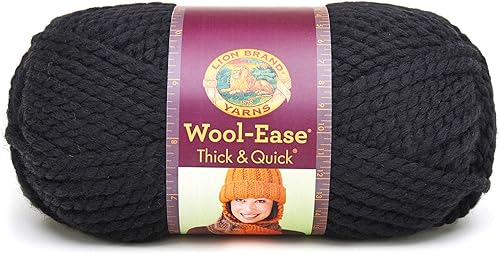
Lion Brand Wool-Ease Thick & Quick

Red Heart Super Saver Yarn

Malabrigo Rios Yarn
Pick 1: Lion Brand Wool-Ease Thick & Quick
The catch: Bulky weight limits you. You can't knit socks or fine lace with this. Every project will be thick and chunky until you level up.
That said: 106 yards per skein, 80/20 acrylic-wool blend, machine washable. A 60-inch scarf takes 2 skeins and about 3 hours of knitting. You can see every stitch clearly, and the wool content means the yarn has enough grip to stay on the needle when you make a mistake. It's the right first yarn for most people.
Needle size: US 13. You'll feel the difference immediately when you try a smaller needle later.
Pick 2: Red Heart Super Saver
The catch: It feels plasticky. 100% acrylic has no elasticity, so your tension mistakes show up clearly. That's actually useful for learning, but it's uncomfortable to wear against skin.
At $4 to $5 per skein with 364 yards, it's the cheapest way to learn. Available at every craft store. Machine washable, colorfast, and nearly indestructible. If you want to practice casting on 20 times without wasting $10 of nice yarn, this is the one to burn through.
If your first project is a dishcloth or a practice swatch, Red Heart is the right call. For a scarf you'll actually wear, spend the extra few dollars on Wool-Ease.
Pick 3: Malabrigo Rios (your second or third project)
The catch: Hand-wash only. Superwash merino shrinks and felts if you machine wash it warm. That's a real constraint if you're making anything for a kid.
$15 to $18 per skein for 210 yards of 100% superwash merino. The hand-dyeing means every skein has color variation, which looks beautiful in finished fabric. It's single-ply, so it flows onto the needle easier than plied yarn. You'll notice a difference in feel and drape immediately.
Don't start here. Once you can knit two rows in a row without dropping a stitch, Rios is worth it.
What to skip entirely
Fingering weight (sock yarn): too thin, too slippery, requires tension control you don't have yet. You'll drop stitches constantly. Save it for year two.
Variegated yarn (multiple colors in one skein): it hides your mistakes, which sounds good but actually slows down your learning. You can't see when your tension goes off.
Novelty yarn with texture (eyelash, ribbon, boucle): the loops catch on the needle. Every row takes three times as long. Not worth it for a first project.
Cotton and linen: no elasticity, slides off needles, requires better tension than a beginner has. Great for dishcloths once you know what you're doing.
One thing about color
Start with a light, solid color. Not because it's prettier but because you can see your stitches. Dark navy in bad lighting means you'll spend 10 minutes finding a dropped stitch that takes 10 seconds in cream. Light and solid. That's it.
How much to buy
Calculate by yardage, not by skein count. Two skeins of different yarns may have completely different yardage. A 60-inch adult scarf in bulky weight takes about 200 yards. Add one extra skein as a buffer. You'll probably need it.
Frequently asked questions
- How much yarn do I need for a beginner scarf?
A standard adult scarf (60 inches long, 6 inches wide) in bulky yarn takes about 200 yards. In worsted weight, plan for 300 yards. Buy one extra skein as a buffer.
- What needle size goes with worsted weight yarn?
Most worsted weight yarn works on US 7 to US 9 needles. Check the yarn label: it prints the recommended needle size. Lion Brand Wool-Ease calls for US 10 to US 11 because it runs thick.
- Is acrylic yarn good for beginners?
Yes, with one caveat. 100% acrylic is slippery and stiff, which makes tension harder to control. A wool-acrylic blend (like Wool-Ease) is more forgiving because wool grips the needle slightly and has memory.
- What does "worsted weight" actually mean?
It's a thickness category. Worsted is medium weight: thicker than fingering (sock yarn) and thinner than bulky. On the Craft Yarn Council scale, it's category 4. Most beginner patterns call for worsted or bulky.
- Can I start with cheap craft store yarn?
Red Heart Super Saver is cheap craft store yarn and it works fine. The feel is stiffer than a blend, but it's forgiving for mistakes and teaches consistent tension. Spend more on your second project, not your first.